१ ते १०० मराठी अंक अक्षरी: Marathi Numbers Explained Clearly
Why learning marathi numbers builds language confidence
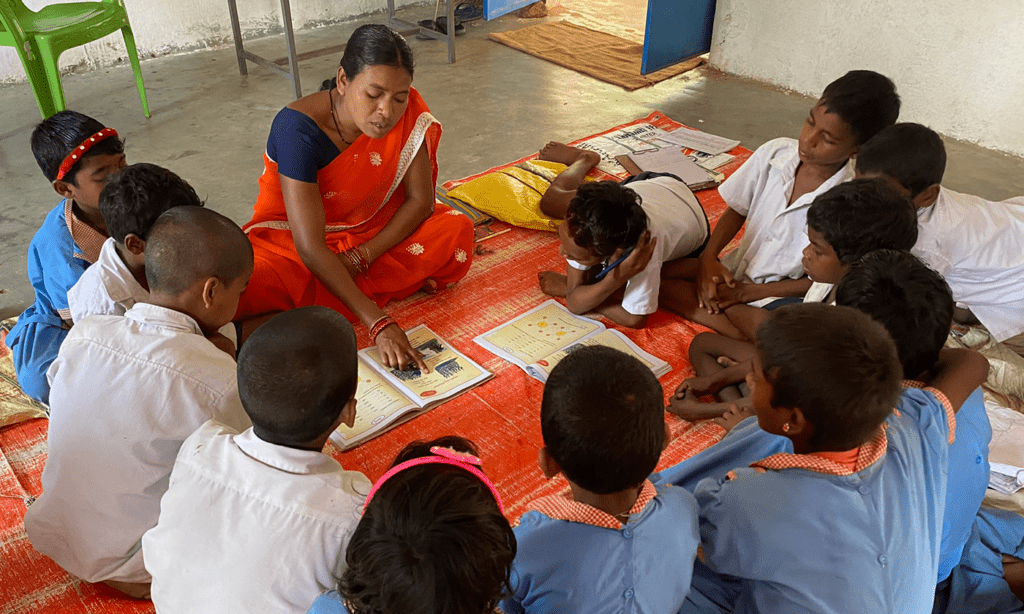
Numbers are among the first tools we use to interact with any language. Learning marathi numbers is not only about counting. It helps with dates, prices, time, addresses, and daily conversation. When learners master १ ते १०० मराठी अंक अक्षरी, they gain confidence to use Marathi in real situations.
Unlike isolated vocabulary, numbers appear everywhere. From school classrooms to markets and official forms, marathi numbers are part of daily life in Maharashtra. This makes them an essential foundation, not an optional add-on.
For beginners, numbers also create rhythm. Repeating patterns make the language feel structured rather than overwhelming.
Where Marathi numerals are used most
You will encounter marathi numbers frequently in:
- Calendars, dates, and schedules
- Currency, pricing, and shopping
- Education, exams, and forms
Each context reinforces learning through repetition.
Understanding the structure of Marathi numerals
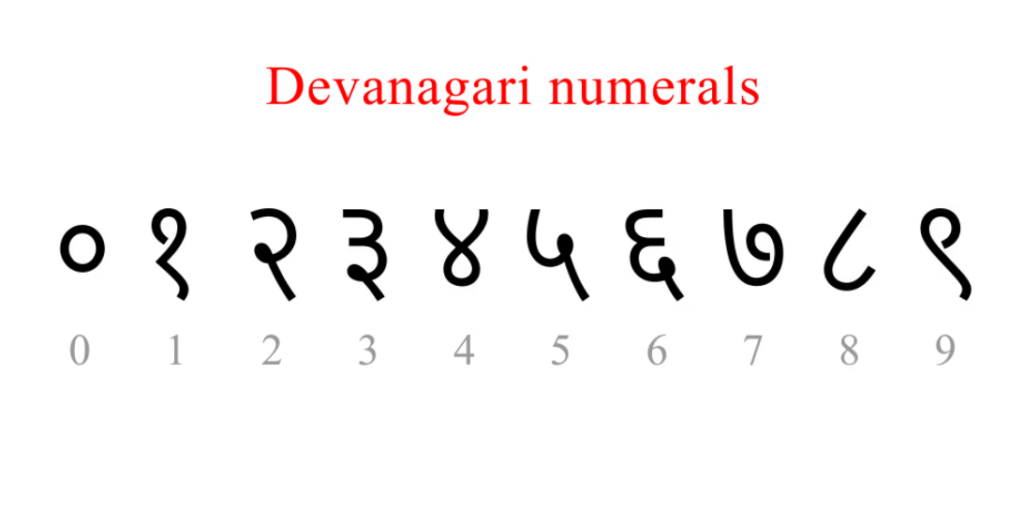
Marathi uses Devanagari numerals alongside spoken number words. Learning both together strengthens recognition and recall. The written symbols help with reading, while the words support speaking and listening.
The system follows logical patterns, but it also includes unique forms that must be memorized. That balance between logic and memory is what shapes fluency.
Key components of marathi numbers
Every number has:
- A numeral form in Devanagari
- A spoken Marathi word
- A predictable sound pattern in ranges
Once these connect in your mind, progress becomes faster.
Marathi numbers from १ to १०: the foundation
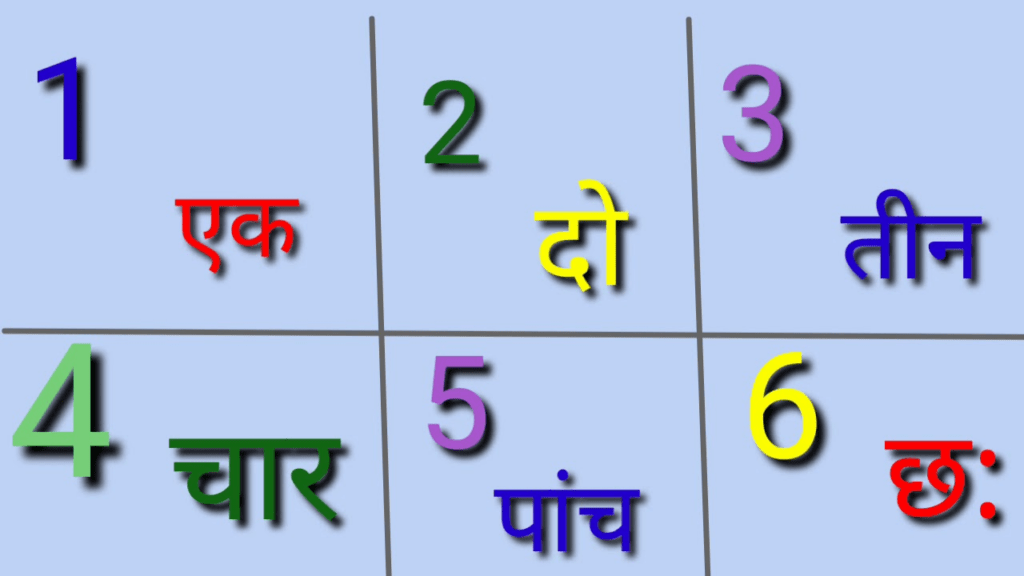
The first ten numbers are the base of the entire system. Learning them clearly is non-negotiable. Every higher number builds on these sounds and forms.
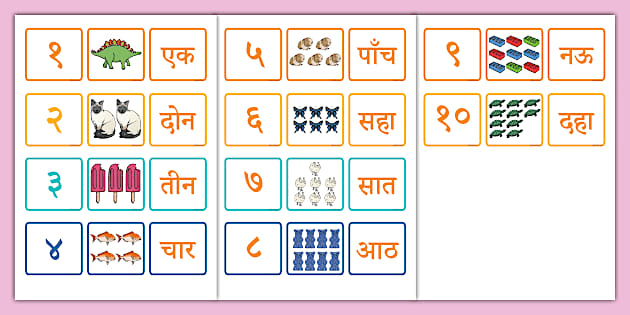
Here are the core digits that unlock the system:
| अंक | मराठी शब्द | English |
| १ | एक | One |
| २ | दोन | Two |
| ३ | तीन | Three |
| ४ | चार | Four |
| ५ | पाच | Five |
| ६ | सहा | Six |
| ७ | सात | Seven |
| ८ | आठ | Eight |
| ९ | नऊ | Nine |
| १० | दहा | Ten |
Spend time pronouncing these slowly. Clear pronunciation here prevents confusion later.
Tips to master १ ते १० quickly
- Say each number aloud three times
- Write the numeral and word together
- Use them in simple counts
This builds muscle memory early.
Moving from ११ to २० in Marathi
Numbers from ११ to २० introduce compound forms. They are not simple additions of earlier numbers. This is where learners often pause, but steady practice resolves it.
These forms are common in daily speech, especially for age, dates, and counts.
Pattern awareness in this range
Although irregular, these numbers:
- Follow a phonetic rhythm
- Are frequently repeated in conversation
- Become automatic with use
Once internalized, they stop feeling complex.
The logic of marathi numbers from २१ to ९९
Beyond २०, the Marathi system shows clearer structure. Many numbers combine a base with a modifier. Understanding this reduces rote memorization.
For example, numbers often reflect:
- A base ten reference
- A linking sound
- A unit value
This logic becomes visible once you cross the first twenty.
Why patterns matter more than lists
Instead of memorizing all values mechanically:
- Focus on sound similarities
- Group numbers by tens
- Practice in spoken sequences
This approach saves time and improves retention.
१ ते १०० मराठी अंक अक्षरी in daily learning
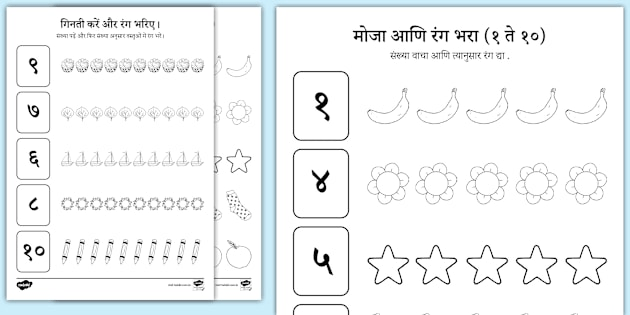
Reaching १०० is a psychological milestone. Once learners can count confidently to १००, most everyday numeric needs are covered. Prices, distances, pages, and queues fall within this range.
Marathi learners often report a shift here. Numbers stop being obstacles and start becoming tools.
Practical uses after mastering १–१००
With this range, you can:
- Read basic notices and lists
- Understand quantities and measurements
- Follow spoken instructions involving numbers
Isn’t that the point of language learning?
Common mistakes learners make with marathi numbers

Errors are part of learning, but some mistakes repeat across learners. Recognizing them early avoids long-term confusion.
Typical issues include:
- Mixing Hindi and Marathi number words
- Confusing similar sounds like साठ and सात
- Skipping written numeral practice
Awareness is the first correction.
How to correct number confusion
Use a simple method:
- Slow down pronunciation
- Pair sound with writing
- Practice in short daily sessions
Consistency beats intensity here.
How educators introduce marathi numbers effectively

Teachers often combine rhythm, writing, and context. This multi-sensory approach aligns with how numbers are naturally learned.
Effective teaching usually includes:
- Chanting sequences aloud
- Writing practice with feedback
- Real-life examples
This turns numbers into experience, not theory.
Completing the sequence up to १०० with confidence
Once learners cross the mid-range, numbers begin to feel familiar. From ५० onward, repetition and rhythm play a larger role than memorization. At this stage, marathi numbers start sounding predictable, which boosts speed and confidence.
Reaching १०० is not about perfection. It is about recognition. When you can instantly identify a number, read it aloud, and understand its value, the system is working.
How fluency develops after ५०
Most learners notice three shifts:
- Faster recall without counting backward
- Clearer distinction between similar sounds
- Better listening comprehension in real speech
This is where practice begins to pay off.
Spoken versus written marathi numbers
Many learners focus only on speaking or only on writing. Both are incomplete alone. Marathi uses Devanagari numerals widely, especially in educational and administrative contexts.
Balancing spoken and written forms ensures full literacy.
Where written numerals matter most
You will see written marathi numbers in:
- School textbooks and exams
- Government notices and forms
- Local transport and pricing
Ignoring written forms limits practical use.
Cultural relevance of marathi numbers
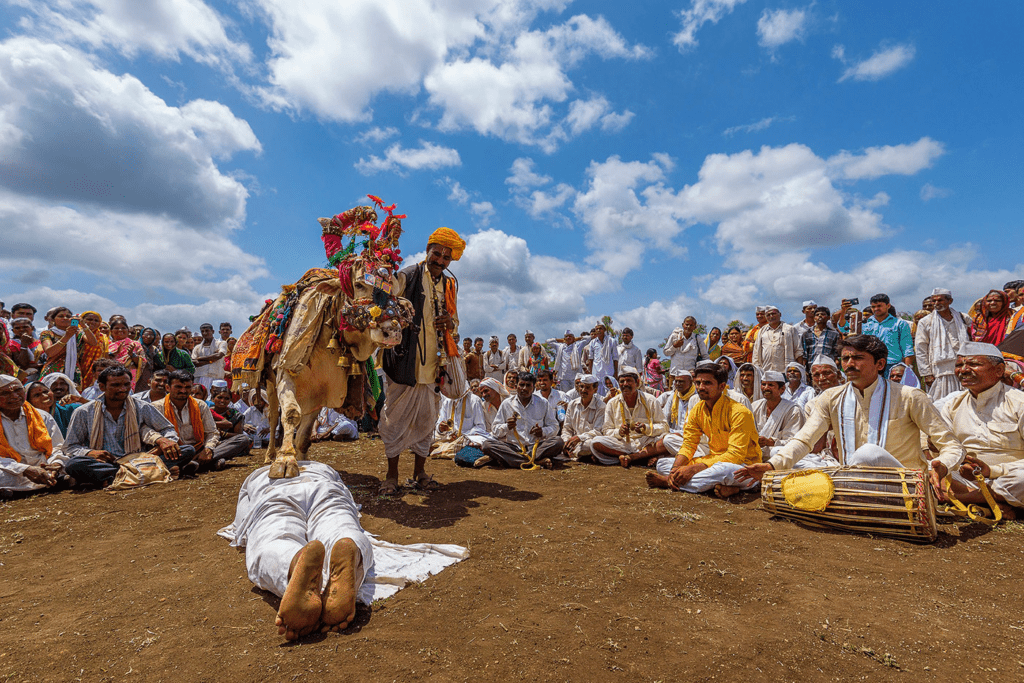
Numbers in Marathi are not just functional. They are embedded in culture, festivals, rituals, and daily expressions. Dates of festivals, counts in folk songs, and traditional sayings often rely on numbers.
Understanding numbers deepens cultural access. Language stops being abstract and starts feeling lived.
Everyday cultural touchpoints
Marathi numbers appear in:
- Festival dates and calendars
- Traditional measurements
- Oral storytelling and rhymes
This makes learning feel connected, not mechanical.
Learning marathi numbers as a non-native speaker
For non-native learners, numbers offer a low-risk entry point. There is no grammar pressure. There is no sentence construction anxiety. You can practice anywhere, anytime.
That simplicity builds early confidence, which is crucial for sustained language learning.
Effective self-study approach
A steady method works best:
- Practice ten numbers per day
- Revise the previous day’s set aloud
- Use numbers in simple phrases
Short sessions prevent overload.
Common pronunciation challenges and fixes
Some Marathi number sounds do not exist in other languages. Learners may flatten or shorten them. This affects clarity.
The solution is listening and repetition, not rules.
Practical pronunciation corrections
Focus on:
- Length of vowels
- Stress placement
- Clear ending sounds
Recording your own voice and replaying it helps more than silent reading.
Using १ ते १०० मराठी अंक अक्षरी in real situations
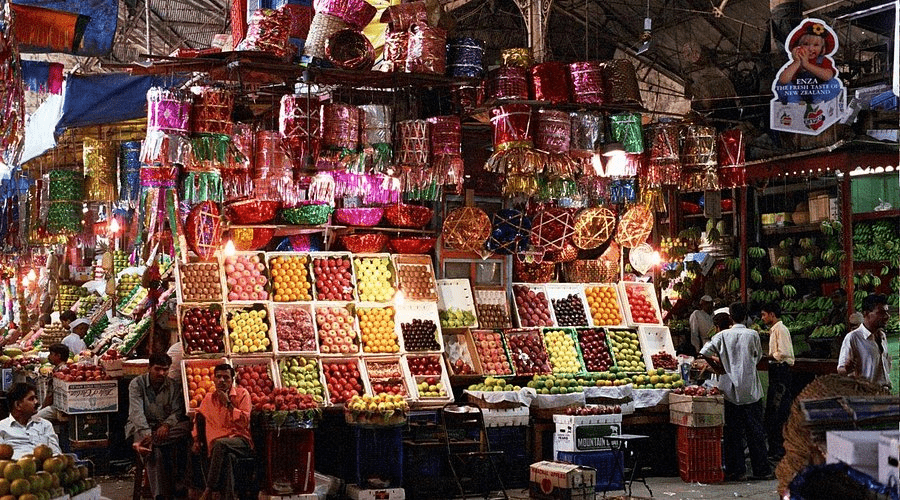
Application locks learning. Numbers become permanent only when used beyond lists.
Try using marathi numbers while:
- Counting steps or items
- Reading page numbers
- Noting dates and times
The brain retains what it uses.
Long-term benefits of mastering marathi numbers
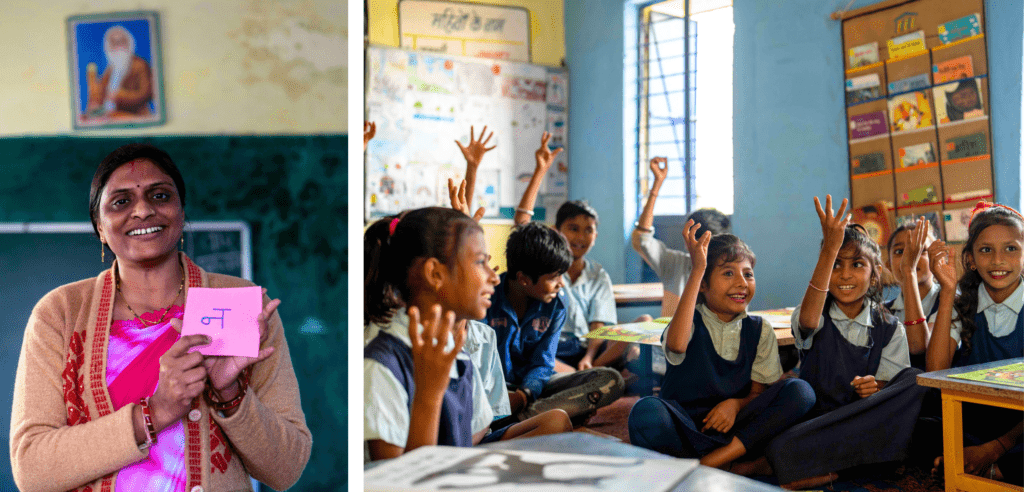
Mastering marathi numbers early simplifies everything that follows. Grammar, reading, and conversation all become easier when numbers are no longer a barrier.
From an academic lens, numbers are foundational literacy. They reduce cognitive load and free attention for higher-level learning.
Isn’t fluency built on such small, solid steps?
Final learning roadmap
To keep progress steady, follow this simple cycle:
- Learn in small ranges
- Revise aloud daily
- Apply in real contexts
This method works for students, travelers, and educators alike.
With patience and repetition, १ ते १०० मराठी अंक अक्षरी becomes second nature. Once that happens, marathi numbers stop being a topic and start becoming a tool.