
12 Months Name in Hindi: Mahinon Ke Naam Hindi Mein
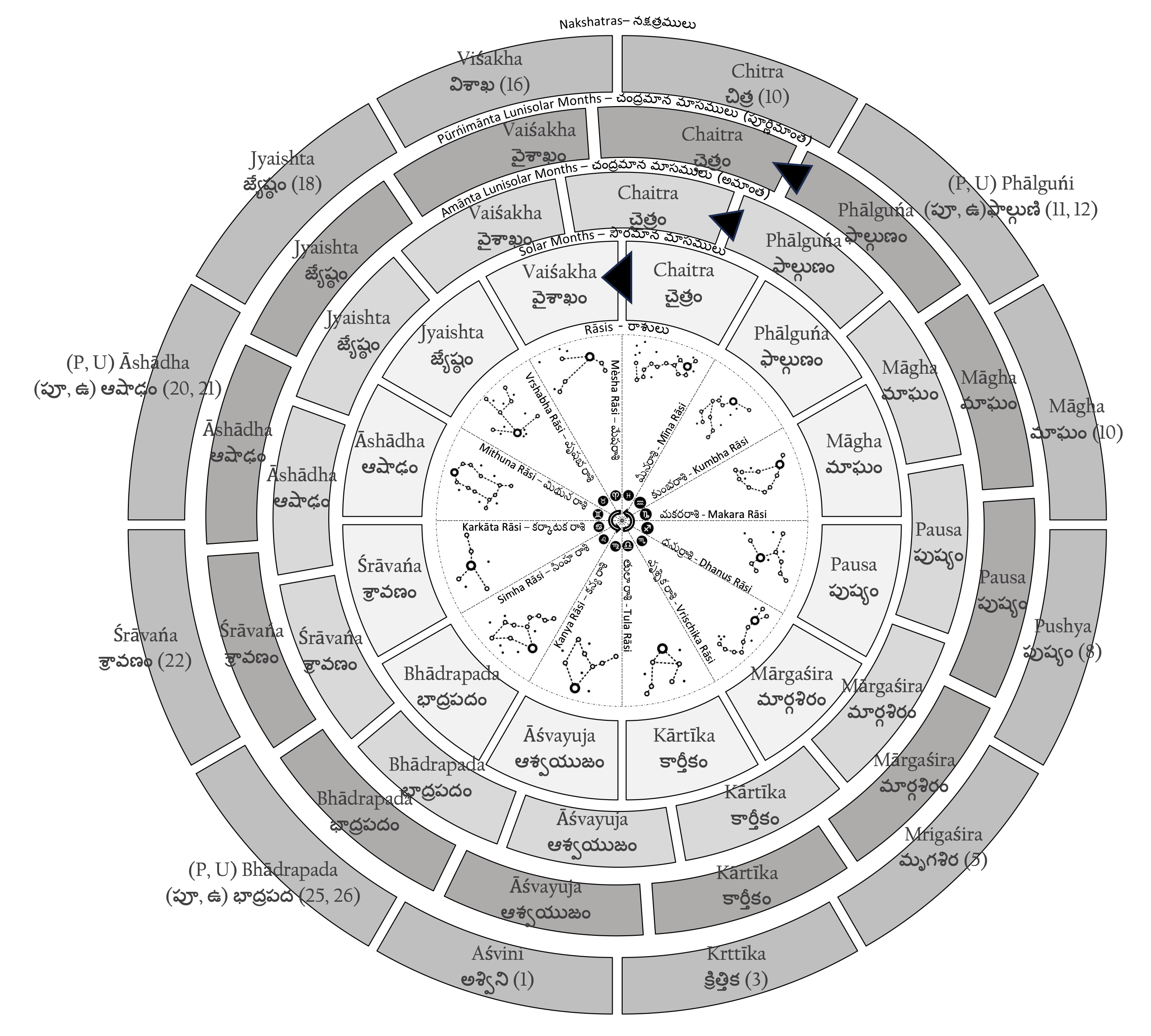
If you’ve searched for 12 months name in hindi, you’ve probably noticed two different “month systems” used in India. One is the Gregorian calendar (January to December). The other is the traditional Hindu calendar used in the Hindi Panchang, where months are named Chaitra, Vaishakh, and so on. This page focuses on mahinon ke naam hindi mein as they are used in the Hindu lunar framework, while still giving the practical mapping people need for daily use.
In many families, a wedding date, a fast, or a festival is planned by tithi and month, not by “May” or “October.” That is why 12 months name in hindi often means the Hindu months, not the English ones. Once you see the pattern, it becomes easy to read a Panchang and speak about months in a more local, culturally accurate way.
What “Hindi months” usually refers to
People use mahinon ke naam hindi mein in two ways, depending on context:
- Hindi names for English months (जनवरी, फ़रवरी, मार्च)
- Hindu lunar months in Hindi Panchang (चैत्र, वैशाख, ज्येष्ठ)
This guide uses the second meaning, because it is the one connected to festivals, tithi, and seasonal cycles.
Quick list of the 12 Hindu months in order
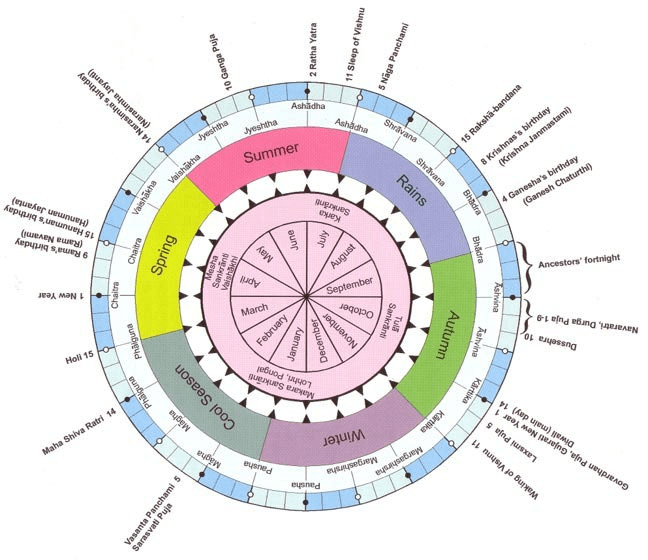
Here are the 12 months name in hindi (Hindu calendar sequence): चैत्र, वैशाख, ज्येष्ठ, आषाढ़, श्रावण, भाद्रपद, अश्विन, कार्तिक, मार्गशीर्ष, पौष, माघ, फाल्गुन.
The 12 Hindu months and their approximate English range
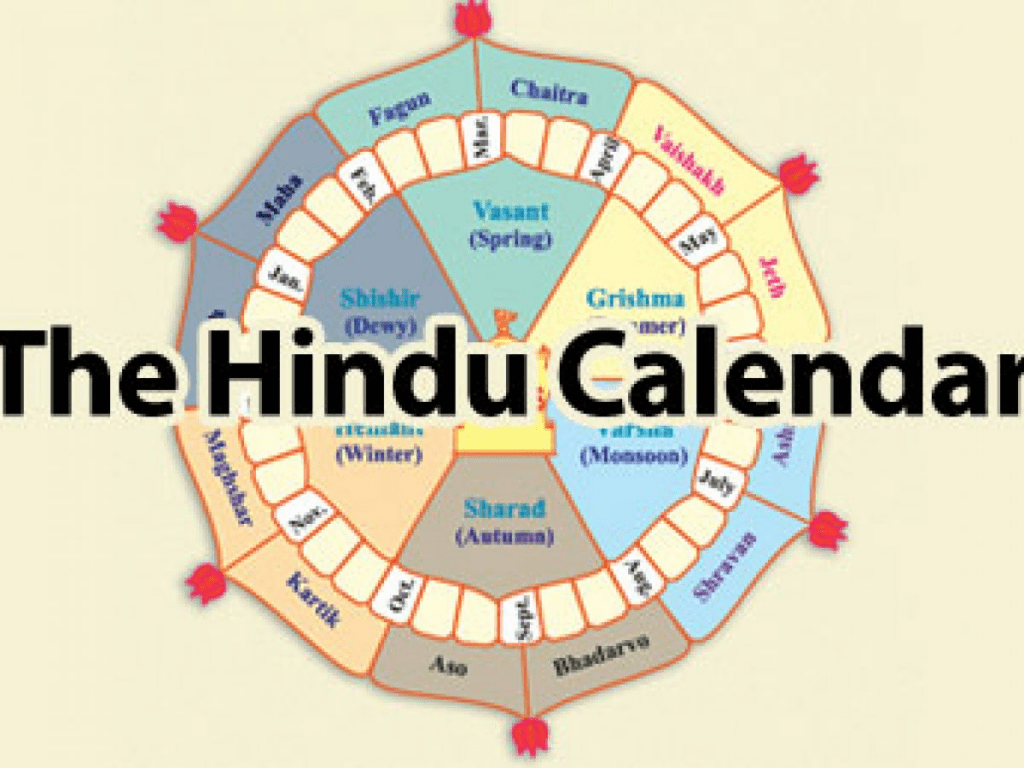
The Hindu months are lunar, so their “English month” range is approximate and can shift slightly year to year. Still, a working mapping helps most readers understand what they are looking at.
You will often see a range like March–April rather than a single month name. That is normal, because the start date depends on lunar phases and regional calendar practice.
Hindi months and approximate English months
| Hindu month (Hindi) | Common transliteration | Approx. English range |
| चैत्र | Chaitra | March–April |
| वैशाख | Vaishakh | April–May |
| ज्येष्ठ | Jyeshtha | May–June |
| आषाढ़ | Ashadh | June–July |
| श्रावण | Shravan | July–August |
| भाद्रपद | Bhadrapad | August–September |
| अश्विन | Ashwin | September–October |
| कार्तिक | Kartik | October–November |
| मार्गशीर्ष | Margashirsha | November–December |
| पौष | Paush | December–January |
| माघ | Magh | January–February |
This single table covers what most people want when they type mahinon ke naam hindi mein and expect a clean alignment with the English calendar.
Why the ranges are not fixed
The Hindu calendar is lunar-solar in practice. Months follow the moon, while seasons follow the sun. The mapping stays close, but it is not locked to a fixed date like January 1.
Why Chaitra starts the Hindu New Year

In many traditions, the Hindu New Year begins with चैत्र. It is treated as a fresh cycle of time, closely tied to spring and renewal. If you track festivals or rituals, this starting point matters more than any “January reset.”
In simple terms, 12 months name in hindi becomes a story of seasons and cultural rhythm, not just a list.
What people mean by “Kaun sa mahina chal raha hai”

When someone says, “कौन सा महीना चल रहा है?”, they often mean the Hindu month, not the English one. They may be asking for:
- The current Hindu month name
- The current tithi and paksha
- The right month for a ritual, vrat, or sankranti
Have you ever noticed how one family talks in dates, while another talks in tithi?
Where this is used in everyday life
Mahinon ke naam hindi mein appear in:
- Festival planning and vrat calendars
- Temple schedules and community events
- विवाह मुहूर्त, गृह प्रवेश, and naming rituals
Festivals linked to Hindi months
Each month carries a cultural “signature.” Some months are known for fasts and Shiva worship, others for harvest, and others for major national celebrations that sometimes overlap with seasonal timing.
Because festivals vary by region, the best approach is to learn the month theme first, then the local observances. This makes 12 months name in hindi easier to remember.
Month-to-festival examples people commonly cite
Many readers recognize these associations:
- चैत्र: चैत्र नवरात्रि, रामनवमी
- श्रावण: शिव पूजा, सावन सोमवारी, रक्षा बंधन (often nearby)
- भाद्रपद: गणेश चतुर्थी, जन्माष्टमी
- कार्तिक: दीपावली season, कार्तिक पूर्णिमा traditions
A practical memory trick
Link months to seasons and one anchor festival:
- Spring start: चैत्र, वैशाख
- Heat peak: ज्येष्ठ
- Monsoon entry: आषाढ़, श्रावण
- Festival surge: भाद्रपद to कार्तिक
- Winter core: पौष, माघ
- Spring return: फाल्गुन
What “Panchang structure” means in simple terms
People sometimes think the Panchang is only a list of mahinon ke naam hindi mein. It is more than that. It is a system that coordinates lunar days, bright and dark halves of the month, and star groups used for timing decisions.
You do not need advanced astrology to understand the structure. You only need the vocabulary and the logic behind it.
The three Panchang terms you will see most
- Tithi: lunar day count based on sun-moon angle
- Paksha: शुक्ल पक्ष (bright half) and कृष्ण पक्ष (dark half)
- Nakshatra: star segment used for timing and tradition
How this helps in real decisions
Once you know the month and paksha, you can interpret common calendar notes, festival timings, and family schedules with less confusion.
Completing the 12-month cycle: Phalgun and seasonal return

The first table stopped at Magh for compactness, but the cycle is incomplete without फाल्गुन (Phalgun). In most Hindi Panchang traditions, Phalgun runs roughly February–March and signals the return of spring, closing the annual loop before Chaitra begins again.
This is also where many learners finally “feel” the logic of the system: months are not just labels, they track seasonal mood, food habits, school holidays, and community rituals.
Phalgun at a glance
Phalgun is commonly remembered through one strong cultural anchor:
- फाल्गुन: February–March, spring return, Holi season
This single line helps complete 12 months name in hindi in a way that sticks.
How the cycle repeats without confusion
A simple pattern prevents mix-ups:
- Think in seasons first (spring, heat, monsoon, autumn, winter).
- Place Chaitra at spring start and Phalgun at spring return.
- Use the English range only as a guide, not as a fixed rule.
Desi months, seasons, and why students remember them faster

Many learners struggle with memorization until they connect the months to weather and routine. Once you attach each month to a seasonal block, mahinon ke naam hindi mein becomes a story instead of a list.
This approach is widely used in school notes because it reduces rote learning. You recall the monsoon months together, the winter months together, and so on.
Season mapping that works for most readers
A practical grouping looks like this:
- Spring: चैत्र, वैशाख, फाल्गुन
- Summer heat: ज्येष्ठ
- Monsoon: आषाढ़, श्रावण, भाद्रपद
- Autumn: अश्विन, कार्तिक
- Early winter: मार्गशीर्ष
- Deep winter: पौष, माघ
Quick recall drill for exams
Try this 20-second drill:
- Say the months in order once.
- Repeat only the monsoon block (Ashadh to Bhadrapad).
- Repeat only the winter block (Paush to Magh).
- Finish with Phalgun and restart at Chaitra.
Isn’t it easier when your brain stores “blocks” instead of 12 separate items?
Hindi names for English months
Some people search 12 months name in hindi but actually want the Hindi words for January to December. This is a different list, and mixing both systems is the main reason confusion happens.
If your context is a school form, a passport date, or office paperwork, you are usually dealing with the English calendar months written in Hindi.
English months written in Hindi (common spellings)
Here are the most commonly used forms:
- जनवरी, फ़रवरी, मार्च, अप्रैल
- मई, जून, जुलाई, अगस्त
- सितंबर, अक्टूबर, नवंबर, दिसंबर
When to use which system
Use this simple rule:
- Use Gregorian months in Hindi for official dates and schedules.
- Use Hindu months for festivals, fasts, rituals, and Panchang references.
Pronunciation and writing tips that prevent mistakes
When people write mahinon ke naam hindi mein, spelling differences often appear across regions. That is normal. What matters is consistency, especially if you are preparing notes or a website page.
For example, some write आश्विन while others write आश्वयुज. Both point to the same month family in common usage.
Common alternate spellings you may see
A few variations appear frequently:
- ज्येष्ठ / जेठ
- श्रावण / सावन
- भाद्रपद / भादो
- मार्गशीर्ष / अगहन
- अश्विन / आश्विन / आश्वयुज
A clean writing style for study notes
If you want one tidy standard, use:
- The Hindi month name (Devanagari)
- One transliteration (Latin)
- One approximate English range
This keeps your notes readable and reduces copy-paste errors.
“Kaun sa mahina chal raha hai” in daily conversations

The question “कौन सा महीना चल रहा है?” can mean different things depending on who asks it. In many homes, it is shorthand for “Which Hindu month is it today in the Panchang sense?”
In schools, students may ask it before a festival or a cultural activity. In temples or community groups, it may signal that a month-specific routine is active.
What people usually want in that moment
Most of the time, they want one of these answers:
- The current Hindu month name
- Whether it is शुक्ल पक्ष or कृष्ण पक्ष
- The tithi for a fast or event
A polite, clear way to answer
If you are unsure of the exact tithi, you can still respond helpfully by stating the month and the approximate season. That alone resolves most confusion in conversation.
Quick revision checklist for learners and parents
If you are building a study sheet or teaching a younger student, a checklist helps lock the sequence in. It also ensures you do not mix the two systems under the same heading.
Use this list as a final pass before exams, quizzes, or content publishing.
One-minute checklist
- I can recite all Hindu months from Chaitra to Phalgun.
- I know Phalgun completes the 12-month cycle.
- I can match monsoon and winter month blocks correctly.
- I do not confuse Hindu months with January–December in Hindi.
- I can explain why the English range is approximate.
Two quick practice prompts
Ask and answer these:
- “What comes after Shravan?”
- “Which months cluster around Diwali season?”
If you can answer both without looking, you’ve effectively learned 12 months name in hindi in a usable way.