Exploring Alekhan Kitne Prakar Ke Hote Hain: A Deep Dive into Design Types
Alekhan represents a fascinating aspect of visual arts, where surfaces or objects get transformed through artistic patterns. In Hindi, आलेखन refers to this creative process of adorning with shapes and motifs. People often wonder about Alekhan kitne prakar ke hote hain, and the answer lies in four distinct categories that blend tradition with innovation. These types help artists express ideas in unique ways, drawing from nature, geometry, and more.
Understanding these divisions opens doors to appreciating cultural heritage. From ancient crafts to modern applications, Alekhan kitne prakar ke hote hain shapes how we decorate everything around us. This exploration will break down each type, highlighting their features and uses.
The Basics of Alekhan: What It Means and Why It Matters
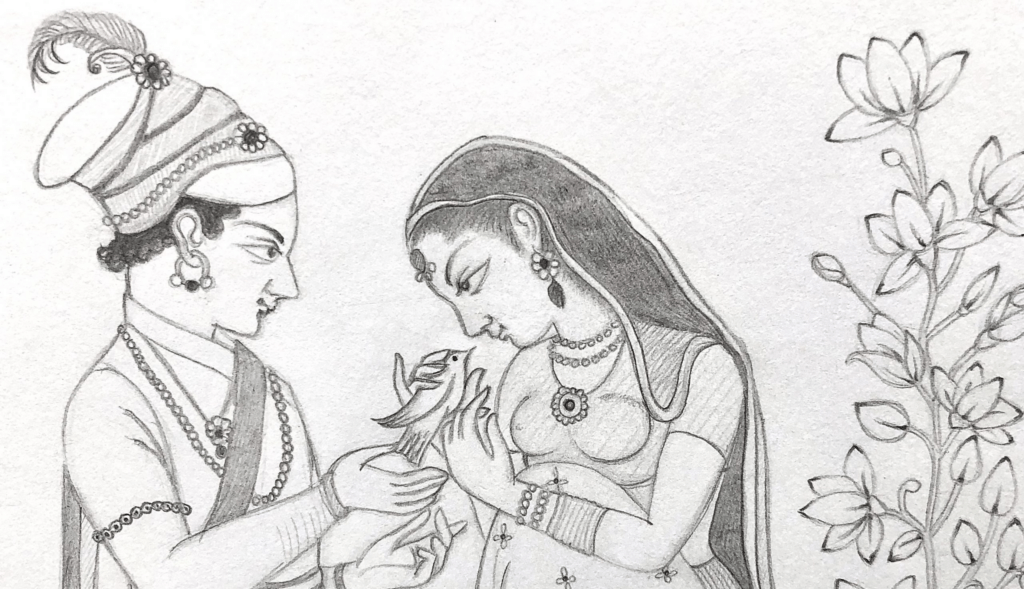
Alekhan involves decorating surfaces with intricate designs, making ordinary items visually appealing. Think of it as the artistic enhancement that turns a plain wall or fabric into a masterpiece. In essence, आलेखन किसे कहते हैं? It’s the skillful arrangement of forms to create beauty.
This practice has roots in various cultures, where artisans use it to convey stories or emotions. For beginners, grasping Alekhan kitne prakar ke hote hain starts with recognizing its role in everyday art forms like painting, textiles, and architecture.
Artists value Alekhan for its versatility. It allows experimentation while maintaining balance and harmony. Whether you’re a student or a professional, knowing these types can elevate your work.
Defining Alekhan in Simple Terms
At its core, Alekhan is about composition. You select elements like lines, curves, or colors and arrange them thoughtfully. This isn’t random; it follows principles of aesthetics that have evolved over time.
In Hindi contexts, आलेखन often appears in traditional crafts, linking to festivals or rituals. Its appeal lies in how it combines simplicity with depth, making complex ideas accessible.
Historical Context of Alekhan Practices
Tracing back, Alekhan has influenced art across regions. Ancient murals and manuscripts show early examples, where designs symbolized prosperity or nature. Over centuries, these evolved into structured types we recognize today.
Modern interpretations mix old techniques with new tools, keeping the tradition alive. This evolution raises questions: How has Alekhan adapted to contemporary needs?
Natural Alekhan: Drawing Inspiration from the World Around Us
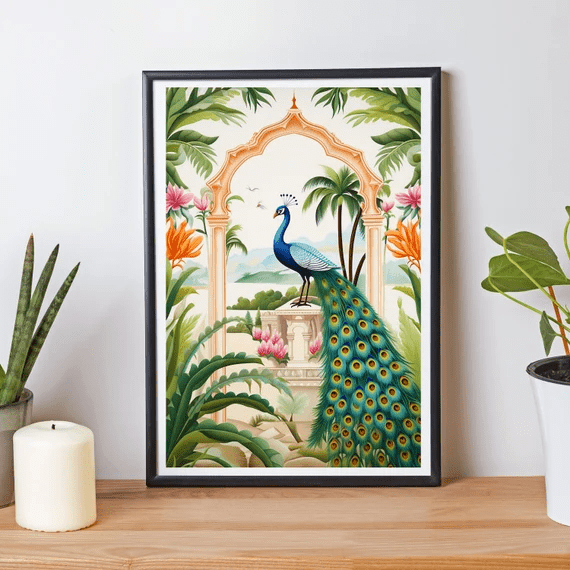
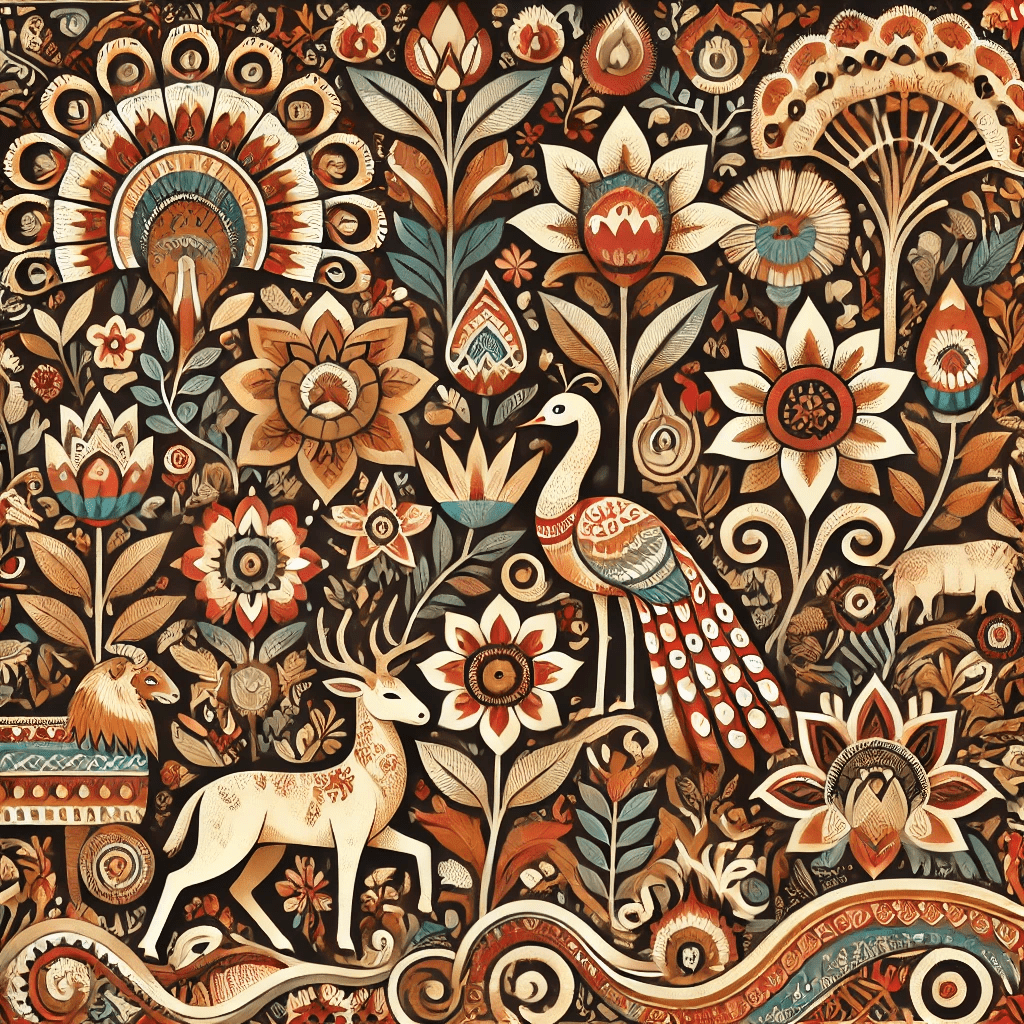
Natural Alekhan pulls directly from the environment, using elements like flowers, leaves, and buds. Known as प्राकृतिक आलेखन, it captures the essence of organic forms in harmonious patterns.
This type thrives on realism, where artists mimic nature’s curves and textures. It’s popular in floral arrangements or landscape motifs, bringing a sense of freshness to designs.
Why choose natural Alekhan? It connects viewers to the outdoors, evoking calm and vitality. In textiles or home decor, these patterns often dominate for their timeless charm.
Key Features of Natural Alekhan
Focus on lifelike representations sets this apart. Artists study real plants, noting details like vein patterns in leaves or petal gradients. This attention creates authentic, flowing designs.
Balance is crucial—too many elements can overwhelm, so simplicity guides the process. Common motifs include roses, lotuses, or vines, each carrying cultural significance.
Applications in Modern Art
Today, natural Alekhan appears in digital graphics and fashion. Designers incorporate it into wallpapers or clothing, blending tradition with trends. Have you noticed how floral prints never go out of style?
Tips for Creating Natural Alekhan
Start with sketches of real objects. Use soft colors to enhance realism. Experiment with scales to fit different surfaces.
Decorative Alekhan: Enhancing Beauty Through Ornamentation
Decorative Alekhan, or आलंकारिक आलेखन, aims to amplify an object’s appeal. It adds layers of embellishment, turning functional items into artistic statements.
This type emphasizes embellishment over realism, allowing for creative freedom. Patterns might include swirls, borders, or repetitive motifs that draw the eye.
In practice, it’s used to highlight key areas, like edges of a frame or centers of a design. The goal? To make the whole piece more engaging and luxurious.
Characteristics That Define Decorative Alekhan
Symmetry often plays a big role, creating mirrored effects for visual interest. Colors are bold, contrasting to pop against backgrounds.
Materials vary—from paints to threads—depending on the medium. This flexibility makes it adaptable for various crafts.
Cultural Significance and Examples
In Indian art, decorative Alekhan graces saris and pottery, symbolizing celebration. Globally, similar styles appear in baroque ornaments or Victorian patterns.
Geometric Alekhan: Precision and Patterns from Shapes
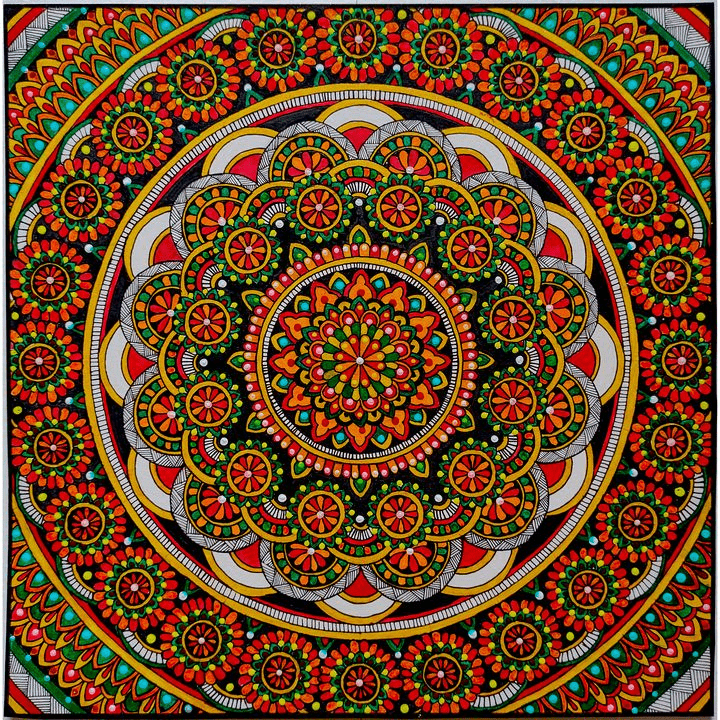
Geometric Alekhan relies on mathematical forms like circles, squares, and triangles. Called ज्यामितीय आलेखन, it brings order and structure to designs.
This type appeals to those who prefer clean lines over organic curves. It’s common in architecture, where symmetry ensures stability and beauty.
Exploring geometric Alekhan reveals endless combinations. Simple shapes build complex mosaics, challenging the artist’s precision.
Building Blocks of Geometric Designs
Start with basic elements: lines intersect to form grids, circles overlap for intricate effects. Tools like rulers or compasses aid accuracy.
Colors enhance depth—gradients or contrasts make patterns dynamic. This method suits minimalist aesthetics.
Real-World Uses in Design
From tiles to logos, geometric Alekhan is everywhere. In modern interiors, it creates illusions of space or movement.
Common Mistakes to Avoid
Don’t overcrowd shapes; space them evenly. Test symmetry before finalizing.
Mixed Alekhan: Blending All Types for Complexity
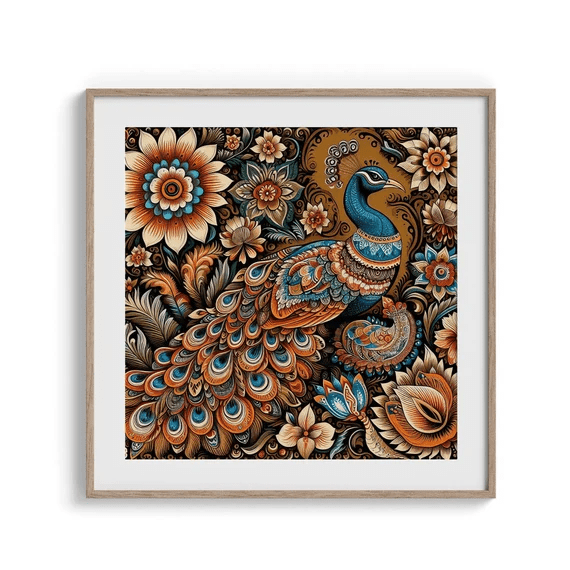
Mixed Alekhan, known as सूक्ष्म आलेखन, combines the previous three. It merges natural, decorative, and geometric elements into unified designs.
This approach allows for innovation, where artists layer motifs for richer outcomes. It’s ideal for detailed works like murals or tapestries.
The challenge lies in integration—ensuring elements complement rather than clash. When done right, it produces stunning, multifaceted art.
How to Approach Mixed Alekhan
Begin by selecting a dominant type, then add accents from others. For instance, frame natural flowers with geometric borders.
Experimentation is key; iterate until balance is achieved.
Advantages Over Single Types
Versatility stands out. Mixed designs adapt to themes, offering more expression. They engage viewers on multiple levels.
Comparing the Four Types of Alekhan
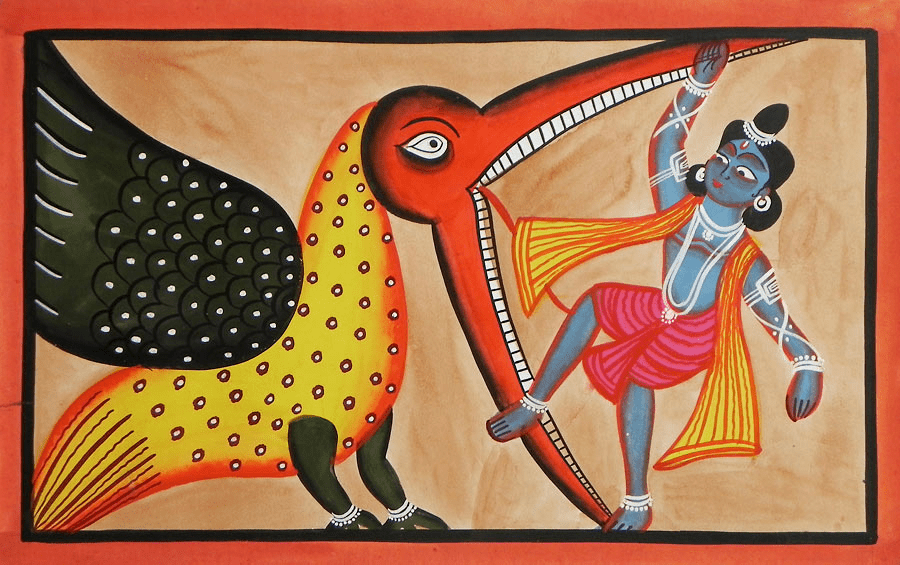
To better understand Alekhan kitne prakar ke hote hain, let’s look at their differences side by side.
| Type of Alekhan | Main Inspiration | Key Features | Common Uses |
| Natural (प्राकृतिक) | Nature (flowers, leaves) | Organic, flowing shapes | Textiles, wallpapers |
| Decorative (आलंकारिक) | Embellishment | Bold, symmetrical patterns | Borders, ornaments |
| Geometric (ज्यामितीय) | Mathematical shapes | Precise, structured lines | Architecture, logos |
| Mixed (सूक्ष्म) | Combination of above | Layered, complex motifs | Murals, detailed crafts |
This table highlights how each type serves unique purposes while contributing to the broader art of Alekhan.
Tools and Materials for Alekhan Creation
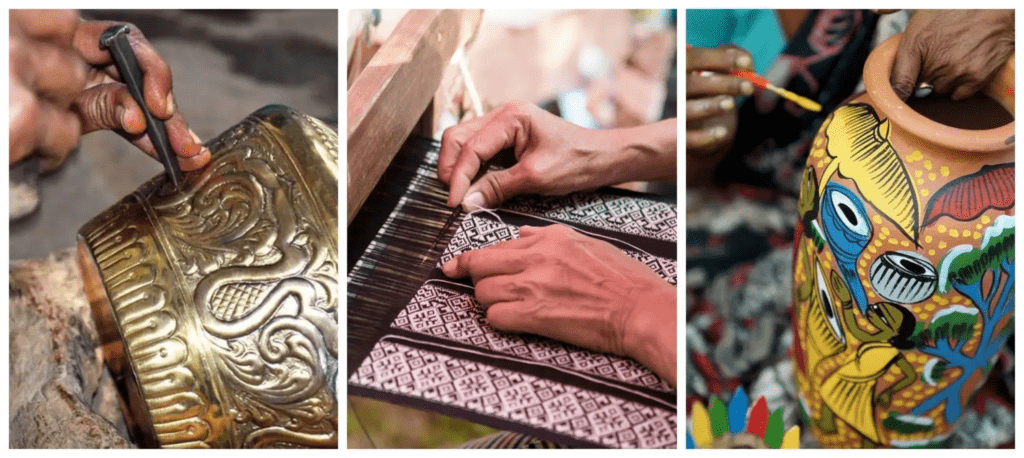
Creating Alekhan requires basic supplies that vary by type. For natural designs, pencils and watercolors capture subtle shades. Geometric ones need rulers and compasses for accuracy.
Advanced artists might use digital software, blending traditional methods with tech. In Hindi, इन सामग्रियों का उपयोग करके, आप आलेखन को जीवंत बना सकते हैं। Choose quality paper or canvas to ensure longevity.
What tools do beginners need? Start simple to build skills without overwhelming costs.
Essential Supplies for Beginners
Gather sketching pencils, erasers, and colored markers. For प्राकृतिक आलेखन, include reference photos of plants.
Protective sheets prevent smudges, and a good light source helps with details.
Advanced Techniques and Equipment
Incorporate stencils for geometric precision or brushes for decorative flair. Digital tablets offer undo options, ideal for mixed Alekhan.
Step-by-Step Guide to Designing Alekhan
Begin with an idea. Sketch rough outlines, then refine. For Alekhan kitne prakar ke hote hain, pick one type or mix them.
Follow these steps:
- Choose your surface—paper, fabric, or digital canvas.
- Select motifs based on the type, like flowers for natural.
- Arrange elements for balance, using grids if geometric.
- Add colors gradually, building layers.
- Review and adjust for harmony.
This process demystifies creation, making it accessible.
Adapting Steps for Each Type
For आलंकारिक आलेखन, emphasize symmetry in step 3. In ज्यामितीय, measure angles precisely.
Mixed types require iterating steps 2-4 multiple times.
Troubleshooting Common Issues
If designs feel flat, add contrasts. Uneven spacing? Use guides.
Benefits of Mastering Alekhan Skills
Learning Alekhan boosts creativity and patience. It enhances problem-solving, as you balance elements.
In professional fields, skills in Alekhan kitne prakar ke hote hain open doors to design careers. Therapeutically, it reduces stress through focused activity.
Culturally, it preserves traditions, connecting generations. Ever wondered how such arts influence daily life?
Personal Development Through Art
Regular practice sharpens observation. You notice patterns in nature or architecture more keenly.
Confidence grows with each completed piece.
Professional Opportunities
Freelance illustrators or decorators often specialize in these types. Workshops teach Alekhan, spreading knowledge.
Alekhan in Education and Culture
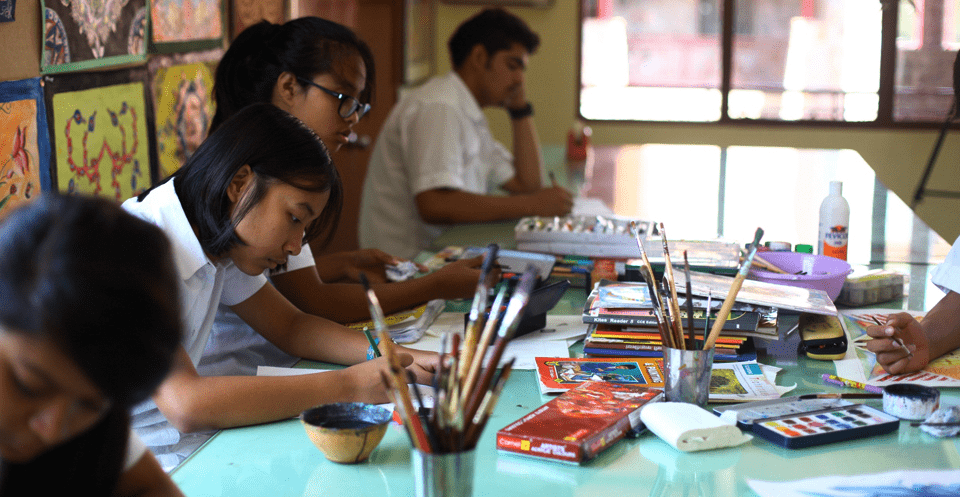
Schools incorporate Alekhan to teach art fundamentals. In India, it’s part of curricula highlighting cultural motifs.
Festivals feature these designs, from rangoli to decorations. आलेखन कितने प्रकार के होते हैं? Understanding this enriches participation.
Global influences adapt Alekhan, fusing with other styles.
Role in Traditional Festivals
During Diwali, natural and decorative Alekhan adorn homes. Patterns symbolize prosperity.
Modern Cultural Adaptations
Street art merges geometric Alekhan with urban themes. Digital platforms share tutorials worldwide.
Common Questions About Alekhan
People ask about variations beyond the four types. While core remains, sub-styles emerge.
Related topics include:
- स्वर संधि के कितने भेद होते हैं? (Types of vowel sandhi in Hindi grammar.)
- अव्यय के कितने भेद होते हैं? (Types of indeclinables.)
- एक दिन में कितने सेकंड होते हैं? (Seconds in a day: 86,400.)
These queries show curiosity in classifications, similar to Alekhan.
Addressing Misconceptions
Some think Alekhan is only traditional—it’s evolving. Others confuse types; remember, mixed integrates all.
Future Trends in Alekhan Design
Technology shapes Alekhan’s future. AI tools generate patterns, inspiring artists.
Sustainability focuses on eco-friendly materials for natural types. Global collaborations blend styles, creating hybrids.
What will Alekhan look like in a decade? More interactive, perhaps in virtual reality.
Emerging Innovations
3D printing applies geometric Alekhan to objects. Apps simulate designs for practice.
Sustainability in Art Practices
Use recycled papers or natural dyes. This aligns with प्राकृतिक themes.
Practical Tips for Aspiring Artists
Experiment freely. Join communities for feedback on your Alekhan kitne prakar ke hote hain attempts.
Document progress to track improvement. Share works online for inspiration.
- Study masters’ works for techniques.
- Practice daily, even simple sketches.
- Attend workshops for hands-on learning.
These habits build expertise.
Overcoming Creative Blocks
If stuck, switch types—try geometric for structure. Nature walks inspire natural Alekhan.
Alekhan’s Impact on Other Fields
Beyond art, Alekhan influences fashion and interior design. Patterns from आलेखन appear in clothing lines.
In therapy, creating designs aids mindfulness. Education uses it to teach symmetry and composition.
Its versatility surprises many.
Integration with Technology
Software like Adobe Illustrator streamlines geometric creations. VR allows immersive design experiences.