
Is Gambling Legal in India? Complete Legal Guide to Gambling Laws
India regulates gambling through a legal structure where permission depends less on the activity itself and more on location, format, and classification of the game. Anyone searching whether gambling is legal in India usually faces conflicting answers because legality changes between states, game categories, and online environments.
In practical terms, gambling legal in India is neither fully allowed nor completely banned. Licensed casinos operate in specific regions, poker may qualify as skill gaming, betting laws vary widely, and offshore platforms remain accessible under conditions shaped by payment controls rather than direct criminal prohibition.
Quick Answer: Is Gambling Legal in India?
The question “is gambling legal in India” has a conditional answer.
Most gambling activities involving games of chance are prohibited across Indian states. Limited exceptions exist where regulation replaces prohibition. Legal gambling currently includes:
- Licensed casinos in approved territories
- Government-run lotteries
- Betting on horse racing
- Certain skill-based games such as poker or fantasy sports
Online participation introduces additional complexity. Access to foreign platforms is technically possible, although operators usually lack domestic licensing approval.
This fragmented legality explains why searches such as is casino legal in India, is betting legal in India, and is online betting legal in India produce different outcomes depending on context.
How Gambling Laws Work in India
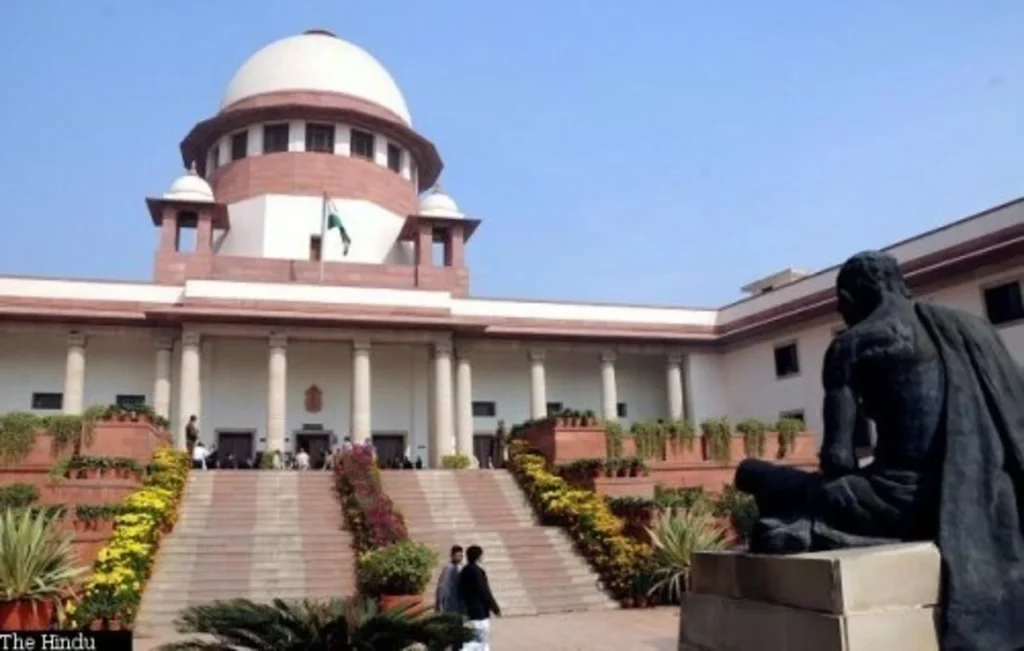
Indian gambling regulation originates from constitutional power distribution. Betting and gambling fall under state jurisdiction, giving regional governments authority to design independent legal frameworks.
Key structural characteristics include:
Each state determines legality independently.
No nationwide casino licensing system exists.
Enforcement priorities differ between regions.
Online regulation overlaps with technology and payment laws.
A casino permitted in Goa becomes illegal immediately outside its jurisdiction. Similarly, poker tournaments may operate legally in one state while facing restrictions in another.
This decentralised system forms the central entity of Indian gambling law: legality depends on jurisdictional authority rather than uniform national approval.
The Public Gambling Act, 1867 and Its Role Today
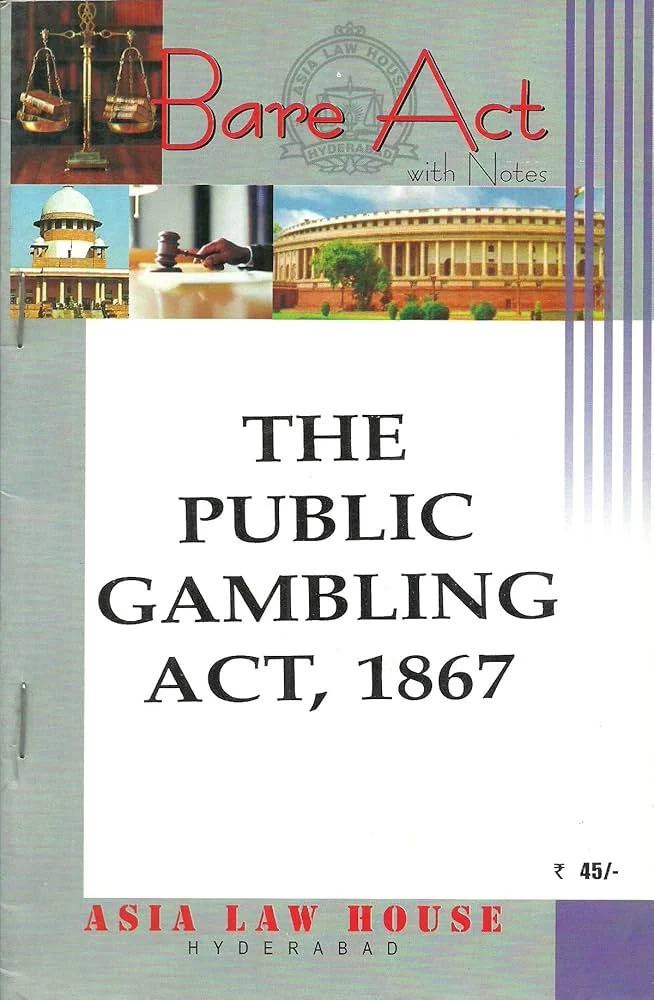
Modern gambling regulation still relies heavily on the Public Gambling Act of 1867. Although introduced during colonial administration, many states continue using adapted versions of this legislation.
The Act prohibits:
- Operating a common gaming house
- Managing gambling premises
- Participating in organised gambling locations
- Financing gambling activity
Its original scope focused entirely on physical venues. Internet gambling, mobile betting, and digital payment systems were never contemplated within its framework. Because of this limitation, states later introduced amendments or separate legislation addressing online activity.
Several jurisdictions expanded definitions of gambling premises to include electronic communication networks, creating legal overlap between traditional gaming laws and modern digital enforcement.
Games of Skill vs Games of Chance
Whether gambling legal in India applies to a specific activity depends largely on classification.

Indian courts distinguish gambling through dominance of skill or chance.
Games Recognised as Skill-Based
Activities typically treated as skill games include:
- Horse race betting
- Rummy
- Fantasy sports contests
- Certain poker formats
Skill classification allows these games to operate outside gambling prohibitions when player ability materially influences outcomes.
Games Classified as Chance-Based
Casino products generally fall under chance gaming:
- Roulette
- Slot machines
- Baccarat
- Bingo formats
Chance-based classification triggers restrictions under most state gaming laws.
Legal disputes surrounding is poker legal in India arise precisely because poker sits between probability management and strategic decision-making, producing inconsistent judicial interpretation across regions.
Are Casinos Legal in India?
Casino legality represents the clearest example of controlled permission.

Licensed casino gambling exists only in specific jurisdictions operating under state-issued approvals.
Goa permits floating casinos operating on offshore vessels, while Sikkim restricts casinos primarily to approved hotel environments. Outside these regions, physical casino operations remain illegal.
Search intent around legal casino in India therefore connects directly to geographic eligibility rather than national approval.
Is Online Gambling Legal in India?
Online gambling occupies the most debated legal space.
The Public Gambling Act does not explicitly regulate internet gaming, creating a regulatory gap later addressed indirectly through technology and financial legislation. Authorities rely on mechanisms such as website blocking orders, advertising restrictions, and payment processing controls.
Important distinctions exist between operators and users:
- Offshore platforms often lack Indian licences.
- Access by players is not uniformly criminalised nationwide.
- Payment gateways may restrict gambling transactions.
- Domains may be periodically blocked.
Questions such as is stake legal in India or is online betting legal in India emerge from this operational grey zone where accessibility exists without domestic regulatory recognition.
As online participation expands, the interaction between state gambling laws, financial monitoring systems, and digital enforcement tools continues shaping how legality functions in practice, leading directly into deeper examination of betting structures and platform-specific regulation.
Is Betting Legal in India?
Betting regulation follows stricter treatment than several other gambling categories. In most jurisdictions, betting on uncertain outcomes involving monetary stakes qualifies as gambling and therefore falls under prohibition rules established by state gaming legislation.
The legality of betting legal in India depends on three variables:
- Type of event being wagered on
- Skill versus chance classification
- Territorial licensing approval
Sports betting remains largely prohibited across India despite widespread participation through international platforms. Law enforcement agencies generally treat sports wagering as chance-based activity unless expressly authorised.
Horse Race Betting Exception
Horse racing represents the most stable legal betting framework.

Indian courts recognised horse race wagering as skill-based because outcomes depend on analysis of form, training conditions, jockey performance, and track variables. As a result, several states legally permit betting through licensed turf clubs.
Permitted jurisdictions include:
- Maharashtra
- West Bengal
- Telangana
- Karnataka
- Tamil Nadu
Online betting tied directly to licensed race clubs may operate under state supervision when wagering connects to officially organised races.
Sports Betting Status
Unlike horse racing, general sports betting continues operating without nationwide legal approval. Cricket betting, football wagering, and prediction markets are typically treated as prohibited gambling activities.
Legal uncertainty persists because constitutional challenges and policy discussions continue regarding regulation instead of prohibition. Until legislative reform occurs, sports betting occupies a restricted legal position despite high consumer demand.
Poker Legal Status in India
Searches related to poker legal in India arise from inconsistent judicial treatment between states.
Poker legality depends on whether authorities classify the format as skill-dominant gameplay. Courts in multiple jurisdictions acknowledged strategic decision-making, probability assessment, and bankroll management as measurable skill components.
States Supporting Skill Interpretation
Poker operations have received favourable treatment in:
- Nagaland
- West Bengal
- Karnataka (judicial recognition contexts)
Nagaland introduced a licensing framework allowing online skill gaming operators to offer poker legally after approval.
States Applying Restrictive Interpretation
Other regions maintain opposing views, considering poker a chance-based activity subject to gambling prohibitions. Enforcement therefore varies depending on local interpretation rather than federal guidance.
Operators must evaluate state jurisdiction carefully before offering poker services within India.
Lottery Gambling and Government Monopoly
Lotteries form the only gambling category explicitly authorised at national level under structured regulation.

The Lotteries Regulation Act allows state governments to organise and control lottery operations. Private lotteries remain prohibited unless authorised by government agreement.
Legal lottery systems operate in approximately thirteen states, including:
- Kerala
- Punjab
- Maharashtra
- Sikkim
- West Bengal
Revenue generated from lotteries contributes directly to public welfare funding, distinguishing this model from commercial casino gambling.
Licensing Structure for Gambling Operators
Licensing represents the primary mechanism transforming illegal gambling into lawful activity.
Only specific jurisdictions issue operational approvals, each imposing technical and financial requirements.
Casino Licensing Requirements
Operators must satisfy conditions such as:
1. Incorporation within India
2. Operation inside approved five–star hotel premises or offshore vessels
3. Government fee payment and annual renewal
4. Compliance monitoring and auditing
Licence fees in Goa may exceed INR 11 crore annually depending on casino size and operational capacity.
Online Skill Gaming Licences
Nagaland and Sikkim provide licensing regimes covering online skill games including poker and fantasy sports. Requirements typically include:
- Domestic server infrastructure
- Identity verification systems
- Financial reporting obligations
- Anti-money laundering compliance
Licensing converts otherwise restricted activities into regulated digital entertainment services within defined geographic limits.
Taxation of Gambling and Betting in India
Indian gambling taxation applies simultaneously to operators and players.
Player winnings exceeding INR 10,000 trigger mandatory tax deduction before payout. This taxation model treats gambling income separately from standard earnings.
High taxation significantly influences market structure, pushing many operators toward offshore licensing environments.
Advertising and Payment Restrictions
Indian regulation increasingly targets gambling promotion rather than player participation itself.
Authorities restrict:
- Television gambling advertisements
- Influencer endorsements
- Digital marketing campaigns
- App store promotion of betting platforms
Financial institutions also play a regulatory role. Banks and payment gateways may block transactions connected to gambling merchants under payment compliance directives.
These indirect enforcement tools limit accessibility without requiring criminal prosecution of individual users.
Enforcement and Legal Risks
Enforcement actions typically focus on operators rather than players.
Authorities may initiate:
- Website blocking orders
- Bank account freezes
- Payment processing restrictions
- Criminal prosecution against unlicensed operators
Recent enforcement campaigns resulted in hundreds of gambling domains being restricted and financial accounts linked to illegal betting networks frozen.
Foreign operators accessible within India increasingly face compliance scrutiny under financial monitoring legislation.
Future of Gambling Regulation in India
India’s gambling framework continues moving toward centralised oversight. Legislative proposals introduced in recent years aim to create nationwide online gaming regulation replacing fragmented state control.
Proposed reforms include:
- Federal classification of online games
- Registration systems for platforms
- Stronger advertising prohibitions
- Restrictions on real-money online gaming models
If implemented fully, these reforms may redefine whether gambling legal in India depends on skill classification or monetary participation itself.
India therefore stands at a transitional regulatory stage where traditional state authority, digital enforcement mechanisms, and emerging federal legislation intersect. Market participation remains possible, yet legality increasingly depends on licensing structure, payment compliance, and jurisdictional alignment rather than simple permission or prohibition.