Who Is the Best Human in the World?
The question who is the best human in the world has no single, final answer, yet it remains one of the most searched and debated ideas in global culture. In classrooms, universities, religious studies, and public policy debates, people ask who is the best person in the world or even the best man in the world not to crown a winner, but to understand what true greatness looks like. Greatness is not limited to power or popularity. It is measured by influence, ethical depth, and the ability to improve human life across borders.
From an academic perspective, this question invites comparison across civilizations. Indian philosophy asks, “श्रेष्ठ मनुष्य कौन है?” while Islamic scholarship reflects on आदर्श इंसान. Western education frames it through leadership, science, and human rights. These lenses reveal that the best human in the world is often defined by service to others, long-term impact, and moral clarity rather than personal success.
In higher education studies, this debate is used to teach critical thinking. Students are encouraged to analyze how individuals shaped institutions, values, and collective behavior. Who is the best person in the world depends on criteria, but patterns emerge when history is examined carefully.
How Education and History Define Human Greatness

Academic disciplines approach greatness through evidence. History evaluates outcomes. Ethics examines intent. Sociology measures societal change. Together, they help answer who is the best human in the world without reducing the idea to opinion alone.
Great figures consistently meet several conditions. They influenced millions, changed systems, and left ideas that outlived them. Many came from hardship, which makes their trajectories useful case studies in education policy and leadership theory. As students often ask, “Can one person really change the world?” History answers yes—repeatedly.
Core Academic Criteria Used to Measure Greatness

Universities often apply shared benchmarks when discussing the best person in the world:
- Scale of impact across regions or cultures
- Ethical framework guiding decisions
- Long-term influence on institutions or beliefs
- Ability to inspire constructive change
These criteria allow comparisons between spiritual leaders, scientists, and reformers without ignoring context.
Why Titles Like “Best Man in the World” Persist
The phrase best man in the world appears frequently in popular discourse because people seek role models. In education, such titles function as entry points into deeper study. They are not rankings but frameworks for discussion.
Individuals Most Often Studied as the Best Human in the World
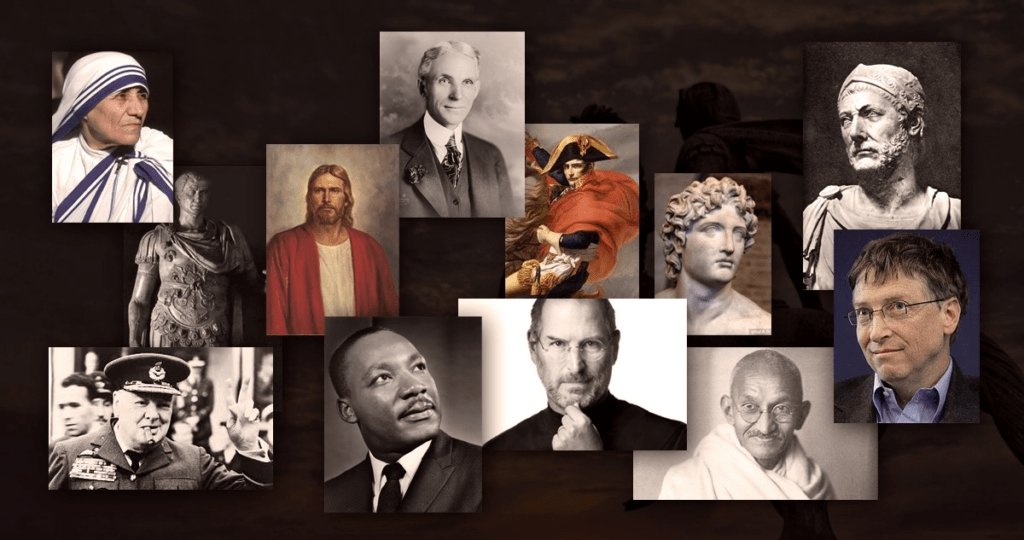
Across global curricula, a small group of figures appears repeatedly when exploring who is the best human in the world. Their inclusion is not random; it reflects measurable influence across generations.
Spiritual and Moral Leaders
Spiritual figures are studied for shaping ethical systems that guide billions today. Their teachings influence law, education, and social norms.
- Prophet Muhammad is examined in Islamic studies for leadership, legal reform, and community building. His life is often cited when students ask who is the best person in the world from a moral systems perspective.
- Jesus Christ is central to Christian theology and Western ethics, with teachings that shaped ideas of compassion and forgiveness.
- Gautama Buddha is studied for psychological insight and methods of reducing suffering, now integrated into modern mental health education.
Scientific and Intellectual Architects
Science departments often highlight figures whose work redefined human understanding.
- Albert Einstein transformed physics and influenced philosophy of science, making him a frequent answer to who is the best human in the world within STEM-focused debates.
- Isaac Newton established frameworks still taught in engineering and mathematics programs.
Social and Political Reformers
Leadership studies focus on individuals who changed unjust systems through action and resilience.
- Mahatma Gandhi demonstrated non-violent resistance as a political tool, now taught in conflict resolution programs.
- Nelson Mandela is analyzed in governance courses for reconciliation and constitutional leadership.
- B.R. Ambedkar remains central to Indian education policy discussions for his work on equality and legal rights.
Comparative Overview of Widely Studied Figures
| Figure | Primary Domain | Core Contribution | Academic Relevance |
| Prophet Muhammad | Ethics, Law | Moral and legal framework | Religious and social studies |
| Albert Einstein | Science | Theory of relativity | Physics and philosophy |
| Mahatma Gandhi | Politics | Non-violent resistance | Political science |
| Gautama Buddha | Psychology | Path to reduce suffering | Philosophy and mental health |
| Nelson Mandela | Governance | Reconciliation leadership | Public policy |
This table is often used in introductory courses to compare how different paths lead to lasting impact, reinforcing that the best man in the world depends on discipline and values considered.
What Modern Students Learn From Great Figures

When learners analyze who is the best human in the world, the goal is not admiration alone. The goal is application. What can be practiced today? What values scale in modern societies?
Lessons That Translate Across Cultures
Across syllabi, several shared lessons emerge:
- Ethical leadership outlasts authority
- Knowledge paired with humility drives progress
- Resilience under injustice reshapes systems
Students in India might reflect, “हम क्या सीख सकते हैं?” while international classrooms ask how these lessons fit local realities.
Why This Question Still Matters Today

In a fragmented world, asking who is the best person in the world helps anchor discussions around shared human values. It encourages young people to see leadership as responsibility, not privilege.
Reframing the Question for the Future
Rather than seeking one final answer, educators now reframe the debate. Instead of asking only who is the best human in the world, they ask what qualities the world needs now. Climate change, inequality, and digital ethics require new forms of greatness grounded in the same timeless principles.
So when someone asks who is the best man in the world, the academic response is clear: greatness is a pattern, not a person. It appears wherever knowledge, compassion, and courage intersect. The real value of the question lies in how it shapes thinking, learning, and action across generations.
How Educational Systems Use the Idea of “The Best Human”
In higher education, the phrase who is the best human in the world is often used as a conceptual tool rather than a literal ranking. Professors introduce it to push students beyond memorization and into evaluation. The question forces learners to compare values, outcomes, and methods across time and geography.
In sociology and political science, students analyze how individual actions scale into institutional change. In philosophy departments, the same question becomes a debate about virtue ethics versus consequentialism. In India, this discussion is sometimes framed as आदर्श मानव की परिभाषा, linking moral behavior to social duty.
What matters is not agreement, but reasoning. Why does one student argue that a reformer is the best person in the world, while another chooses a scientist? The learning happens in that comparison.
Pedagogical Goals Behind the Question
Universities typically use this theme to achieve several outcomes:
- Teach comparative analysis across cultures
- Develop ethical reasoning skills
- Connect historical examples to modern challenges
These goals explain why the best man in the world remains a recurring topic in essays, debates, and entrance examinations.
Why No Single Answer Is Taught
Academic integrity requires openness. Declaring one final answer would undermine critical inquiry. Instead, educators emphasize evidence, context, and long-term consequences.
Cultural Perspectives on Human Excellence
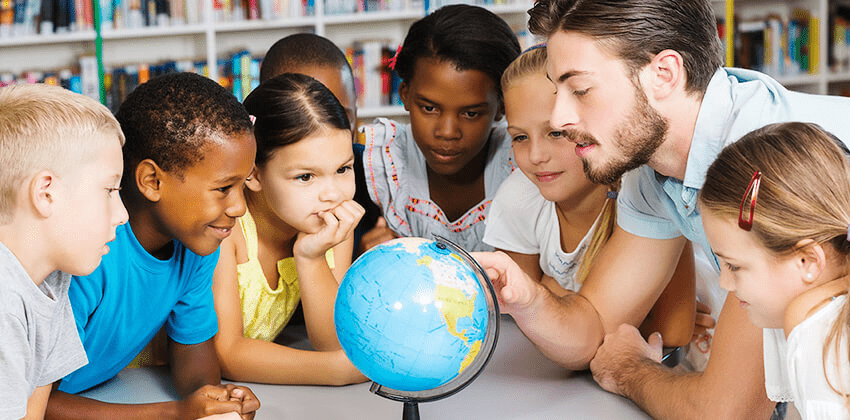
Different societies emphasize different traits when discussing who is the best human in the world. These differences are not contradictions; they are reflections of historical needs.
In South Asian traditions, greatness is often tied to dharma, duty, and moral balance. In Western frameworks, innovation and individual rights receive more attention. East Asian philosophy frequently prioritizes harmony and social order. Islamic scholarship emphasizes justice, mercy, and community responsibility.
Despite these variations, overlap exists. Compassion, integrity, and service appear everywhere. This convergence suggests that while cultures differ, human values often align at their core.
Shared Traits Across Civilizations
When comparing traditions, several traits consistently define the best person in the world:
- Commitment to justice beyond self-interest
- Willingness to endure hardship for others
- Ability to inspire ethical behavior in society
These traits explain why certain individuals are studied globally, regardless of origin.
Modern Leadership and the Question of Greatness

In contemporary leadership studies, the idea of the best man in the world is no longer associated with domination or control. Instead, it is linked to accountability and impact.
Corporate governance courses analyze ethical failures alongside positive models. Public administration programs study leaders who strengthened institutions rather than weakened them. The question shifts from fame to responsibility.
Is the best human in the world someone who accumulates influence, or someone who distributes opportunity? This is the tension modern students are asked to resolve.
Relevance in Policy and Governance Education
Policy schools often highlight that sustainable change requires moral legitimacy. Leaders remembered positively are those whose decisions improved lives without eroding trust.
This approach reframes greatness as stewardship, a concept increasingly relevant in global governance.
Why the Debate Resonates With Younger Generations
Young learners engage deeply with the question who is the best person in the world because it mirrors their own search for direction. Career planning, civic identity, and personal values intersect here.
Students often ask themselves: “What kind of impact do I want to have?” By studying historical figures, they gain templates rather than prescriptions.
In Indian classrooms, this reflection is sometimes expressed simply: “मैं किस तरह का इंसान बनना चाहता हूँ?” That question carries the same weight as any academic theory.
From Admiration to Application
Education aims to move students from passive admiration to active practice. The lives of great individuals become tools for self-assessment rather than distant legends.
Redefining the Best Human for the 21st Century
As global challenges evolve, so does the definition of greatness. Climate responsibility, digital ethics, and social inclusion now shape discussions around who is the best human in the world.
Future-oriented education encourages students to blend timeless virtues with modern skills. Critical thinking, empathy, and collaboration are emphasized alongside knowledge.
This shift does not reject historical figures. It builds on them, asking how their principles apply today.
A Living Concept, Not a Closed List
The best man in the world is not locked in the past. Each generation contributes new examples by responding to its unique challenges with integrity and courage.
That is why the question remains open, relevant, and powerful.
Final Academic Perspective
From an educational standpoint, asking who is the best human in the world is less about choosing a name and more about defining a standard. History provides examples, but education turns them into frameworks for judgment and action.
The figures most often cited share one defining trait: they expanded what it meant to act responsibly toward others. Whether through knowledge, compassion, or reform, they shifted societies toward greater dignity.
In this sense, the best person in the world is not a distant hero. It is a benchmark—one that challenges each generation to measure its choices, its leaders, and itself.